Blood Clot Tingling Sensation in Head & Scalp
🛡️ Medically Reviewed by: Dr. Bo Reményi | Written by: [ROHIT]
This article is for general information and is not a substitute for professional medical advice. If you are worried about your symptoms — and especially if you notice any of the emergency signs above — contact a healthcare provider or emergency services without delay.
That faint prickle across your scalp — the pins-and-needles, the buzzing, the patch that suddenly feels asleep — is one of the most common and most unsettling sensations the body produces. Doctors call it paresthesia, and for the vast majority of people, it is harmless and fleeting. But because the same symptom can occasionally signal something involving blood flow to the brain, it deserves a clear, calm explanation rather than a panicked internet search at 2 a.m. This article walks through what causes head and scalp tingling, where blood clots genuinely fit in, and the warning signs that mean you should stop reading and call for help.
What the sensation actually is
Paresthesia is an abnormal sensory signal — tingling, numbness, burning, or a crawling feeling — produced when nerves are irritated, compressed, or receiving reduced blood supply. The single most common trigger is also the most innocent: staying in one position too long, which briefly constricts blood flow or pinches a nerve, exactly the way your foot “falls asleep” when you sit on it. The feeling typically vanishes within seconds to minutes once you move and circulation returns.
The blood-clot connection: what’s real and what’s rare
People often arrive at this topic worried specifically about a clot, so let’s address that directly and honestly. There are two distinct ways a blood clot can produce tingling related to the head, and both are uncommon compared with the everyday causes below — but both are genuine emergencies.
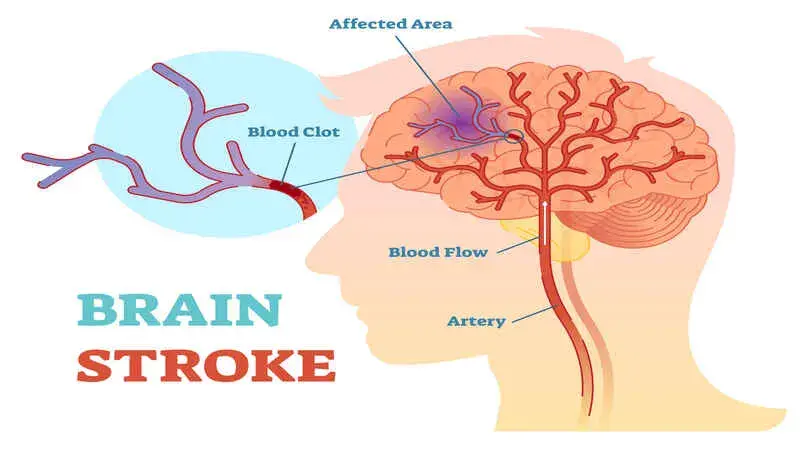
Stroke and transient ischemic attack (TIA). When a clot blocks an artery feeding the brain, the affected region stops working within minutes. One classic symptom is sudden numbness or tingling on one side of the body — face, arm, or leg — often with weakness, slurred speech, vision loss, or confusion. A TIA, or “mini-stroke,” is the same blockage but temporary: the clot dissolves or moves on, and symptoms fade within minutes to an hour. The relief is deceptive. A TIA is a warning shot, not an all-clear. Research shows a substantial share of people who have a TIA go on to have a full stroke, with the greatest danger in the first 48 hours. Symptoms going away does not mean the danger has passed.
Cerebral venous sinus thrombosis (CVST). This is the condition most people mean when they picture “a blood clot in the head.” Here a clot forms in the dural venous sinuses — the channels that drain blood out of the brain — rather than in an artery. It is rare, accounting for under 2% of strokes, and it tends to affect younger and middle-aged adults, especially women. Its hallmark is headache, present in roughly 85–90% of cases, often building gradually over days, sometimes accompanied by visual changes, seizures, or one-sided weakness. Known risk factors include pregnancy and the postpartum period, oral contraceptives or hormone therapy, inherited clotting disorders (thrombophilias), dehydration, infection, and cancer. CVST is treatable with blood thinners, and outcomes are generally good when caught early — which is exactly why recognizing it matters.
A related but slower vascular cause is atherosclerosis, the gradual buildup of fatty plaque that narrows blood vessels and restricts flow. It doesn’t cause sudden tingling on its own, but it sets the stage for the clots that do.
The far more common, everyday causes
For most people most of the time, scalp tingling has nothing to do with the brain’s blood supply. The usual suspects are numerous and reassuringly ordinary.
Stress and anxiety are the leading culprits. The fight-or-flight response floods the body with hormones, alters breathing, and tightens muscles around the head and neck, all of which can register as tingling or buzzing across the scalp.
Nerve irritation and posture. Long hours hunched at a desk or craning over a phone can compress nerves in the neck that feed the scalp. Occipital neuralgia — irritation of the nerves at the back of the head — produces sharp pain and tingling, while scalp dysesthesia causes chronic burning or prickling, often linked to tension in the cervical spine, with no visible skin problem.
Migraine with aura. Some people experience a wave of tingling or numbness on one side of the head or body in the minutes before a migraine arrives. It is unsettling but, for a known migraine sufferer, usually part of a familiar pattern.
Skin and scalp conditions. Psoriasis, eczema, seborrheic dermatitis, and folliculitis inflame the skin and the nerves beneath it. Harsh shampoos, hair dyes, bleaching agents, and strongly fragranced products are frequent, easily fixed offenders.
Infections and parasites. Ringworm of the scalp (tinea capitis) and head lice both cause itching and a crawling, tingling sensation — one of the earliest signs of lice is the feeling of something moving in the hair. Shingles, a reactivation of the chickenpox virus, can cause burning scalp pain and tingling before a rash appears.
Medications. Certain drugs list scalp tingling as a side effect, particularly when first started — for example the blood-pressure medication labetalol and some ADHD stimulants such as lisdexamfetamine.
Systemic and nutritional causes
Tingling that is widespread, persistent, or paired with fatigue can point to a body-wide issue. Diabetes damages small nerves over time (peripheral neuropathy). Vitamin deficiencies, especially B12 and vitamin D, impair nerve health. Thyroid disorders and multiple sclerosis can both produce abnormal scalp sensations alongside other neurological symptoms. These are diagnosed with blood tests and, when needed, imaging.
Red flags: when to treat it as an emergency
Call emergency services immediately — do not wait to see if it improves — if tingling appears suddenly alongside any of these. The BE-FAST memory aid covers the essentials:
- Balance: sudden dizziness or loss of coordination
- Eyes: sudden vision loss or double vision
- Face: drooping or numbness on one side
- Arm: weakness or numbness in an arm or leg, usually one-sided
- Speech: slurred or confused speech
- Time: note when symptoms started and call for help now
Also seek urgent care for a sudden, severe “thunderclap” headache, the worst headache of your life, a headache that steadily worsens over days, or new tingling during pregnancy or the weeks after childbirth.
Precautions and Prevention
For ordinary tingling, simple measures help: change positions and stretch regularly, fix your desk ergonomics, manage stress through sleep and relaxation techniques, stay well hydrated, and switch to gentle, fragrance-free hair products. To lower the vascular risks behind clots, the long-term playbook is the familiar one — don’t smoke, keep blood pressure and cholesterol in check, stay active, eat a diet low in salt and processed fat, and manage conditions like diabetes and atrial fibrillation with your doctor.
When to see a doctor
If scalp tingling is occasional and resolves on its own, it rarely needs investigation. Book an appointment if it is persistent, recurring, spreading, or paired with hair loss, rashes, headaches, or fatigue. A clinician can sort skin and nerve issues from systemic ones with an exam, blood work, and imaging if warranted.