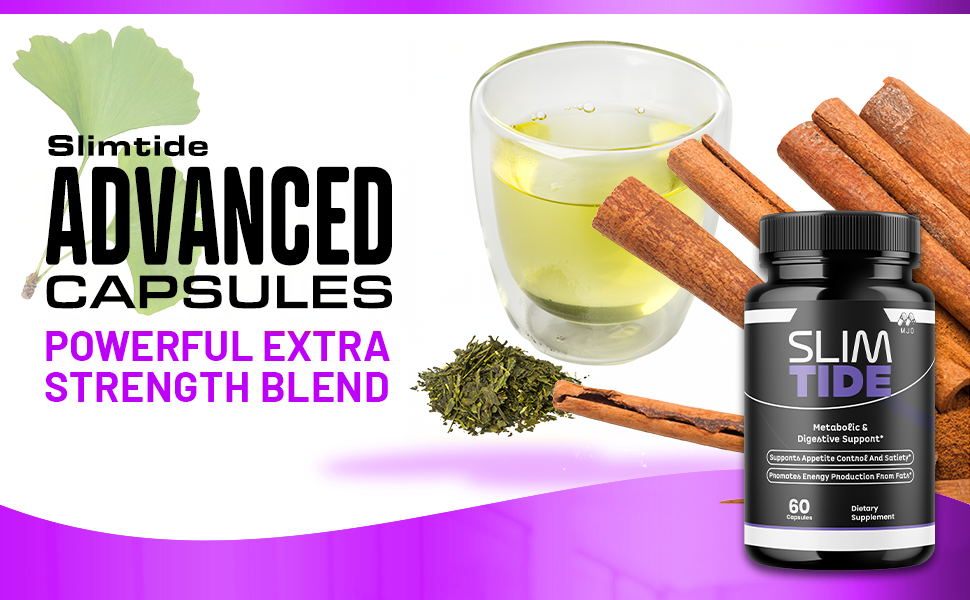
What is Slim tide?
 Medically Reviewed by: Dr. Bo Reményi | Written by: [ROHIT]
Slim tide is a chewable gummy supplement aimed at weight management and fat burning. The brand’s sales page claims it can boost metabolism, control appetite, maintain stable energy levels, and push the body into a fat-burning state. The main ingredients in all versions of this product are apple cider vinegar (ACV), beta-hydroxybutyrate (BHB) ketone bodies, and electrolytes. Some versions add apple pectin and beetroot powder, and you take it once daily. Slim Tide is a dietary supplement, not a medication. In the United States, it falls under the 1994 DSHEA law, so it is not reviewed or approved by the FDA for effectiveness before sale. No supplement can legally claim to treat, cure, or prevent any disease, including obesity.
If you’ve seen ads for Slim Tide, gummies that burn fat supposedly endorsed by Jillian Michaels or linked to a viral “gelatin trick,” and you’re curious if it actually works, this guide provides clear answers. We explain what Slim Tide is, what it contains, what those ingredients can and can’t do, and significant red flags that every potential buyer should be aware of before spending money.
What’s Actually In It? Let’s look at the ingredients honestly, as understanding the real biology is your best defense against hype.
BHB exogenous ketones: The main claim is that BHB puts your body into a fat-burning ketosis. The truth is that taking ketones does temporarily raise the ketone level in your blood, but that’s not the same as the ketosis your body reaches through a strict ketogenic diet, which actually burns stored fat. Ingesting ketones can even signal your body to slow down its fat breakdown because it gets fuel from outside. Research on exogenous ketone supplements hasn’t shown significant weight loss. The “fat-burning state” claim is misleading Lulutox detox tea.
Apple cider vinegar: ACV has some scientific backing. Small studies suggest it may reduce appetite or improve post-meal blood sugar for some people. However, the effects are minor and inconsistent, and the amount in a gummy is small and unverified. ACV does not “melt fat.”
Electrolytes, apple pectin, and beetroot: These offer minor supportive benefits like hydration, a bit of fiber, and antioxidants. None of them act as weight-loss agents in any meaningful way.
The diagram below summarizes the gap between what’s claimed and what the evidence shows.
Slim Tide — Marketing Claim vs. What the Evidence Shows
Claim: Instantly forces the body into fat-burning ketosis. → Evidence: Only temporarily raises blood ketones; does not trigger actual fat breakdown.
Claim: Melts stubborn fat layers via ACV. → Evidence: ACV may slightly control appetite but has no direct fat-melting capabilities.
Why “fat-burning gummies” rarely work as promised
The main issue is that no gummy can change energy balance. Sustainable fat loss happens when you consistently burn more energy than you take in, supported by diet quality, activity, sleep, and stress management. Ingredients like ACV and BHB might offer a slight, temporary push to appetite or energy at best; they cannot make stored fat disappear on their own. Any product promising easy or dramatic fat loss from a daily gummy is likely overpromising. Real customer reviews of Slim Tide show this: many report little to no weight change despite using it regularly.
The Biggest Red Flag: The Endorsements Are Fake
Before talking about the ingredients, it’s crucial to know a key fact. The celebrity endorsements in Slim Tide’s ads are fake. Jillian Michaels has publicly stated that she did not create or endorse these gummy products and that the ads are misleading. Independent fact-checkers have found no credible connection.
The viral videos use deepfake technology to alter real footage of Michaels and other public figures such as Oprah and Serena Williams to make it look like they’re promoting the product. The same campaigns display fake “FDA Registered” and “GMP Certified” badges, invented “founding doctors,” fake live viewer counts, and false testimonials. Pitches suggesting a “gelatin trick” or “works like Ozempic without side effects” are common in this scam. None of it is real.
This is more important than any ingredient discussion because it shows the marketing is built on deception.
Side Effects & Safety Concerns
Beyond effectiveness, there are real safety and financial risks to consider.
Physical side effects – ACV-based products can cause digestive issues. In concentrated forms, ACV may irritate the throat or affect tooth enamel. BHB salts can cause stomach discomfort and can deliver a lot of sodium. Those with diabetes, kidney problems, or on certain medications should be particularly careful since both ACV and electrolytes can interfere with how the body and specific drugs work. Always consult a doctor or pharmacist first.
Financial and privacy risks – This is the greater danger with Slim Tide. Products sold this way often use subscription “traps” that automatically charge your card every 30 days. The multiple cloned “official” websites make refunds and accountability hard. The advertised 60-day “money-back guarantee” is only as trustworthy as the operators behind it, which, given the fake endorsements, isn’t very reliable.
What Real Weight Management Actually Looks Like
If your goal is genuine and lasting results, focus on the basics:
– A sustainable, whole-food diet that creates a mild calorie deficit.
– Enough protein and fiber for fullness.
– Regular activity, including strength training to maintain muscle.
– Sufficient sleep and stress management.
For people whose weight affects their health, prescription medications reviewed by a doctor are much better studied and more effective than any gummy. They also come with genuine medical oversight rather than deepfake ads.
What To Know Before Buying Weight Loss Supplements
Before buying any weight-loss supplement, check these quick points:
– Verify Endorsements: Be very skeptical of celebrity endorsements in ads. Check them against the celebrity’s official channels.
– Question Trust Badges: Distrust “FDA Registered” or “GMP” badges, which can easily be faked and don’t guarantee a product is approved or effective.
– Check the URL & Fine Print: Avoid single-page “official” sites that you can’t trace to a real, accountable company. Read the fine print for automatic subscriptions.
– Look for Third-Party Testing: Seek products with genuine third-party testing (USP, NSF, ConsumerLab) and clear labeling.
Note: If you think you’ve been scammed, report it to the FTC and contact your credit card provider to stop recurring charges.
Things to Remember
Slim Tide relies on fake celebrity endorsements, deepfake videos, counterfeit trust badges, and exaggerations about fat-burning claims that its ACV and BHB formula cannot deliver. The ingredients have, at best, only modest and inconsistent effects, and independent reviewers and real customers have pointed out that the product and its marketing are misleading.
There is no credible evidence that Slim Tide helps with weight loss or “burns fat.” The way it’s marketed poses real financial risks. Your money and health are better invested in proven strategies for weight management and, where necessary, medical guidance rather than in a gummy built on false endorsements.
This article is for general information and is not medical advice. Consult a qualified healthcare professional before starting any supplement or weight-loss program.