Right Eye Twitching Superstition Meaning for Females: Myth vs. Science
That sudden, involuntary flutter at the corner of your eye can feel oddly personal — as if your body is trying to send you a message. Across the world, people have treated eye twitching as exactly that: an omen. For women in particular, the meaning attached to a twitching right eye varies dramatically depending on which culture’s lens you look through. But alongside the folklore sits a well-understood biological explanation. Here’s a look at both the myth and the medicine.
The Superstition: What a Right Eye Twitch Is Said to Mean for Women
Superstitions about eye twitching are ancient and remarkably widespread, yet they often contradict one another. The meaning depends heavily on geography, gender, and which eye is involved.
In Indian tradition, the interpretation is strongly tied to gender, and it is essentially the reverse of what applies to men. For a woman, a twitching right eye is frequently viewed as a bad or inauspicious sign — a warning of upcoming trouble, sadness, conflict, or unwelcome news. The left eye twitching, by contrast, is considered the lucky one for females, often associated with good fortune, the arrival of a guest, or happy developments. This left-good, right-bad pattern for women (and its mirror image for men) is one of the most commonly cited beliefs in South Asian folklore.
In Chinese culture, the framework is different and revolves around timing rather than strictly gender. There’s a well-known saying that loosely translates to “left eye twitching brings fortune, right eye brings disaster.” However, traditional Chinese belief also assigns meanings based on the specific hour of day the twitch occurs, so a right-eye twitch in the early morning might be read very differently from one at midnight. The interpretation can swing from a warning to a neutral or even positive sign depending on the clock.
In several African and Caribbean traditions, a twitching right eye for a woman is sometimes said to foretell that she will cry or hear distressing news, while in other regional versions it signals that someone is speaking about her or that a visitor is on the way.
In parts of Hawaiian and other folk traditions, a twitch in the right eye can mean a stranger is coming, while in some interpretations it warns of a death or sorrow in the family.
The takeaway is that there is no single, universal “meaning.” The belief that a woman’s right eye twitch is unlucky is genuinely widespread — but it is cultural, not factual, and other cultures read the very same twitch as good news.
The Science: What Eye Twitching Actually Is
Stripped of folklore, an eye twitch is a real and very common physiological event. The medical term for the most ordinary form is myokymia — a fine, involuntary, rippling contraction of the eyelid muscle (usually the orbicularis oculi). It typically affects only one eyelid at a time, comes and goes, and is almost always harmless.
Myokymia happens when the nerves controlling the eyelid muscle fire a little erratically, causing the muscle fibers to contract on their own without you deciding to blink. It has nothing to do with which eye is involved carrying any meaning — the right eye and left eye are simply controlled by the same kind of nerves and muscles, and a twitch in one carries no more cosmic significance than a hiccup.
It’s worth noting that the science doesn’t favor men or women, and it doesn’t favor good luck or bad. A right eye twitch in a woman is biologically identical to a left eye twitch in a man.
What Causes Eye Twitching?
Most everyday eyelid twitching can be traced to a handful of common, modifiable triggers:
- Stress and anxiety. Heightened tension is one of the most frequent culprits. The body’s stress response can make muscles more excitable, including the tiny ones around the eye.
- Fatigue and lack of sleep. Tired muscles and an overtired nervous system are more prone to misfiring. Catching up on rest often resolves a stubborn twitch.
- Caffeine and stimulants. Too much coffee, tea, energy drinks, or other stimulants can overstimulate the nervous system and provoke twitching.
- Eye strain. Long hours staring at screens, uncorrected vision problems, or the need for new glasses can fatigue the eye muscles.
- Dry eyes. Common with screen use, contact lenses, aging, and certain medications, dryness can irritate the eye and trigger spasms.
- Nutrient imbalances. Low levels of magnesium or other electrolytes may contribute to muscle twitching, though this is a less common cause.
- Alcohol and dehydration. Both can disrupt the normal functioning of nerves and muscles.
For the vast majority of people, a twitch is the body’s way of flagging that it needs more sleep, less caffeine, or a break from the screen — not a supernatural warning.
When a Twitch Is Worth a Doctor’s Attention
While ordinary myokymia is benign, there are less common conditions that involve more persistent or severe twitching, and these are worth knowing about:
- Benign essential blepharospasm is a chronic condition in which both eyelids contract forcefully and involuntarily, sometimes enough to interfere with vision. It tends to worsen over time and is more common in middle-aged and older adults, with women affected more often than men.
- Hemifacial spasm involves twitching that spreads beyond the eyelid to other muscles on one side of the face, often caused by a blood vessel pressing on a facial nerve.
You should consider seeing a doctor if a twitch lasts more than a couple of weeks, causes your eyelid to close completely, spreads to other parts of your face, is accompanied by redness, swelling, or discharge, or comes with drooping. These signs are rare, but they merit professional evaluation rather than a folk remedy.
The Real Impacts of Eye Twitching
The physical impact of common eyelid twitching is usually minimal. It can be annoying and distracting, and it may make you self-conscious, but it rarely affects vision or health in any lasting way and typically fades on its own within minutes, hours, or days.
The more interesting impact is psychological, and this is where the superstition loops back in. If a woman strongly believes that her right eye twitching foretells misfortune, that belief itself can create real anxiety. She may spend the day on edge, interpreting ordinary setbacks as the “predicted” bad luck — a classic example of confirmation bias, where we notice the events that fit our expectations and forget the ones that don’t. Ironically, the stress generated by worrying about the omen can itself cause more twitching, creating a small self-reinforcing loop.
Understanding the biology can break that cycle. Recognizing a twitch as a signal to rest, hydrate, or cut back on caffeine turns an anxious omen into useful, actionable feedback from your body.
The Final Verdict.
The belief that a woman’s right eye twitching is a bad omen is a deeply rooted cultural tradition, especially in South Asia — but it is one of many contradictory interpretations around the world, with no factual basis. Science offers a calmer, more consistent story: eyelid twitching is usually harmless myokymia, driven by stress, fatigue, caffeine, eye strain, or dryness. Enjoy the folklore for its cultural richness, but if your eye keeps fluttering, the most reliable response isn’t worry — it’s a good night’s sleep and a smaller cup of coffee.
Related Posts
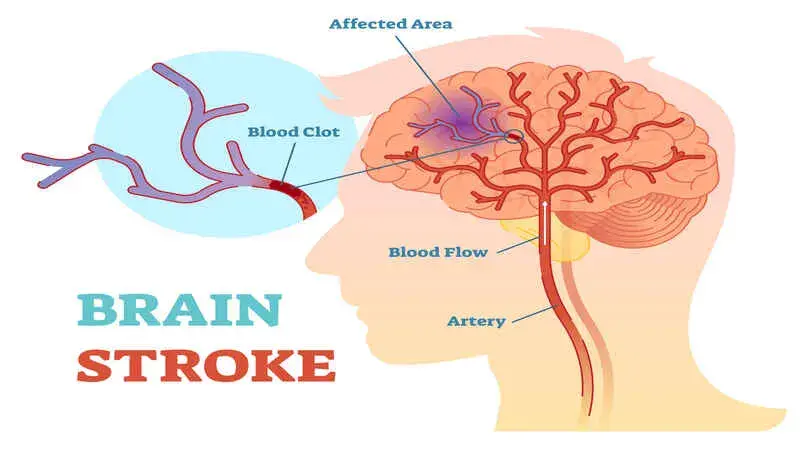
blood clot tingling sensation in head scalp
Blood Clot Tingling Sensation in Head & Scalp This article is for general information and is not a substitute for professional medical advice. If you are worried about your symptoms — and especially if you notice any of the emergency signs above…

Understanding Swollen Ankles and Feet: When to Seek Help
Swollen Ankles and Feet: What Your Body Is Trying to Tell You A plain-language guide to edema — its science, causes, warning signs, and when to call your doctor Every evening, millions of Americans kick off their shoes and notice their…

Slim Tide capsules side effects where to buy cost complaints !
What is Slim tide? Slim tide is a chewable gummy supplement aimed at weight management and fat burning. The brand’s sales page claims it can boost metabolism, control appetite, maintain stable energy levels, and push the body into a fat-burning state. The…