Tretinoin Cream 0.05% is one of the most commonly used and clinically studied topical treatments in dermatology. Known for its effectiveness in improving skin texture, reducing acne, and minimising visible signs of ageing, it has become a staple in skincare routines across Australia.
As a derivative of vitamin A, tretinoin works at a cellular level to speed up skin turnover and support healthier, clearer skin. However, like any active treatment, it comes with both benefits and potential side effects. Understanding how it works and what to expect is important before adding it to your routine.
What Is Tretinoin Cream 0.05%?
Tretinoin is a topical retinoid often prescribed for acne and anti-ageing purposes. The 0.05% strength is considered a mid-range concentration, suitable for many users who have some tolerance to retinoids but still want noticeable results.
It is available under different brand names, including Retin-A, and is usually applied once daily, typically at night.
Tretinoin works by influencing how skin cells grow and shed, helping to prevent clogged pores while improving overall skin condition.
How Tretinoin Works on the Skin
Tretinoin works deep within the skin, encouraging faster renewal and improving overall function.
Speeds Up Cell Turnover
One of its main functions is increasing the rate at which skin cells renew. This helps remove dead skin cells more efficiently, reducing dullness and preventing blocked pores.
Helps Unclog Pores
By keeping the skin renewing properly, tretinoin helps clear out pores, which is especially helpful for acne-prone skin.
Supports Collagen Production
Tretinoin is known to stimulate collagen, which can improve skin firmness and reduce the appearance of fine lines over time.
Key Benefits of Tretinoin Cream 0.05%
Tretinoin offers a range of benefits that make it a go-to treatment in dermatology.
Acne Control
It is widely used to manage acne, helping to reduce breakouts and prevent new ones from forming.
Anti-Ageing Support
With regular use, it can soften fine lines and improve overall skin appearance.
Smoother Skin Texture
Many users notice smoother, more refined skin as tretinoin improves the outer layer.
Helps Fade Pigmentation
Tretinoin can assist in reducing dark spots, sun damage, and post-acne marks by speeding up skin renewal.
Common Side Effects
While effective, tretinoin often comes with an adjustment phase, especially in the early weeks.
Skin Irritation
Redness, dryness, and peeling are common at the beginning. These effects usually settle as the skin adjusts.
Increased Sun Sensitivity
Tretinoin can make your skin more sensitive to the sun, increasing the risk of sunburn.
Initial Breakouts (Purging)
Some people may notice more breakouts at first. This is known as purging and happens as underlying congestion comes to the surface.
Dryness and Flaking
Because it increases exfoliation, dryness and flaking are quite common early on.
How to Use Tretinoin Cream 0.05% Safely
Using tretinoin correctly helps maximise results while reducing irritation.
Start Gradually
If you’re new to tretinoin, begin by using it a few times a week rather than every night.
Use a Small Amount
A pea-sized amount is enough for your whole face. Using more won’t improve results and may increase irritation.
Apply at Night
Tretinoin should be used in the evening as part of your nighttime routine.
Keep Skin Hydrated
Using a gentle moisturiser can help reduce dryness and protect your skin barrier.
Always Use Sunscreen
Daily sunscreen is essential to protect your skin while using tretinoin.
When to Expect Results
Tretinoin takes time to show results, so patience is key.
Early Stage (2–4 Weeks)
You may experience dryness, irritation, and purging. Visible improvements are usually limited at this stage.
Mid Stage (6–12 Weeks)
Skin texture begins to improve, and breakouts may reduce. Your skin may start to look clearer and more even.
Long-Term Results (3–6 Months+)
With consistent use, you’ll likely notice improvements in fine lines, pigmentation, and overall skin quality.
Who Should Use Tretinoin Cream 0.05%?
Tretinoin is suitable for many people, particularly:
- Those dealing with ongoing acne
- People concerned about early signs of ageing
- Anyone with uneven skin tone or rough texture
However, it may not suit everyone, especially those with very sensitive skin. It’s best to consult a healthcare professional before starting.
Tips for Better Results
Getting the most out of tretinoin comes down to consistency and care.
Avoid Harsh Products
Using strong exfoliants alongside tretinoin can increase irritation.
Keep It Simple
Stick to a basic routine with a gentle cleanser, moisturiser, and sunscreen.
Be Patient
Results take time, so it’s important not to stop too early.
Final Thoughts
Tretinoin Cream 0.05% remains one of the most effective and well-researched treatments for acne and skin ageing. Its ability to improve the skin at a deeper level makes it stand out from many over-the-counter products.
While side effects like dryness and irritation are common at first, they are usually manageable with proper use. With consistency and realistic expectations, tretinoin can deliver long-term improvements in skin health and appearance.
For those willing to stick with it, it offers a reliable path to clearer, smoother, and healthier-looking skin.
Related Posts
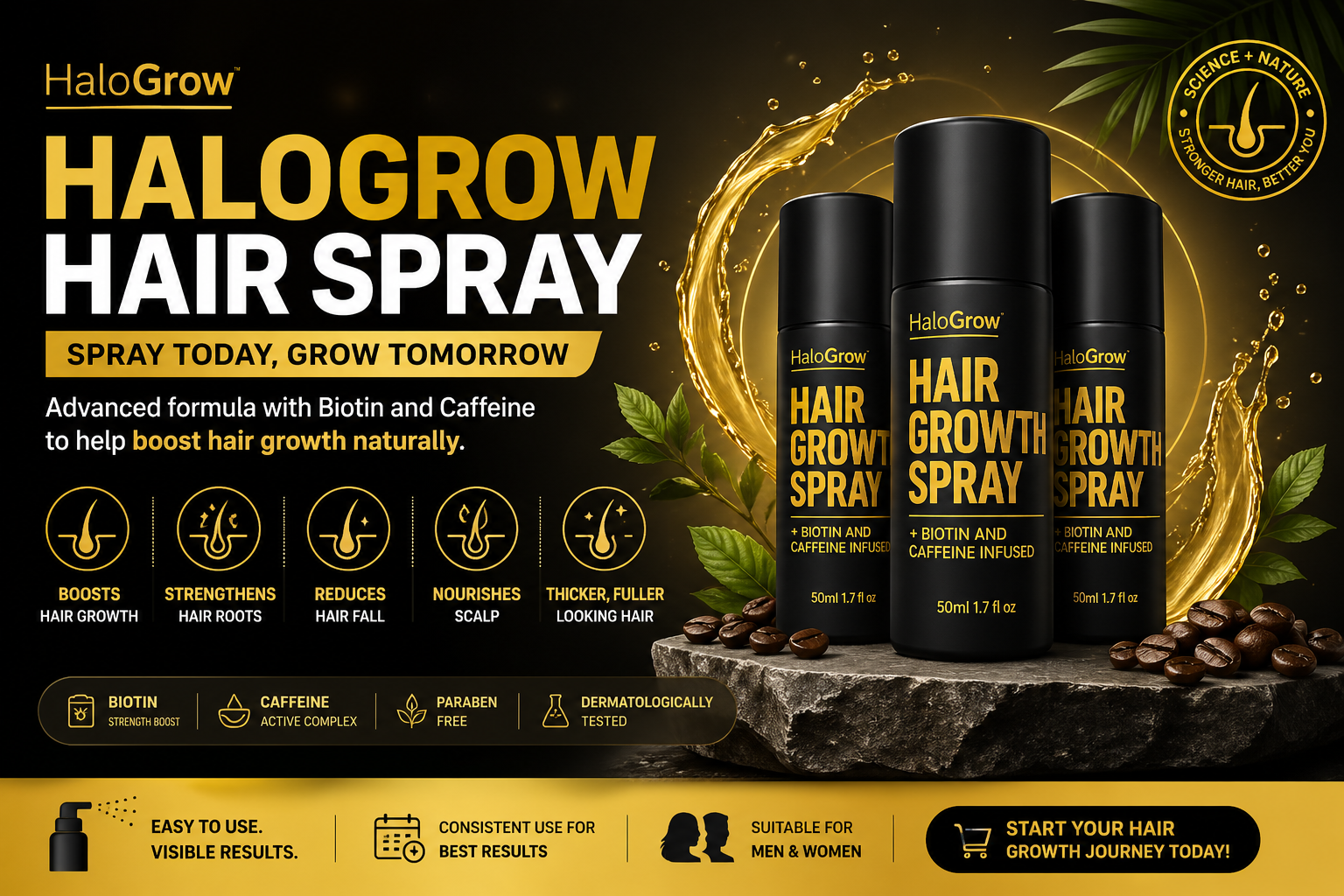
Halogrow Hair Spray: Before You Buy – A Game-Changer for Hair Regrowth?
Hair loss is a common concern affecting both men and women across Australia. Whether it’s thinning hair, receding hairlines, or excessive shedding, the impact can be both physical and emotional. As a result, the demand for effective and convenient hair regrowth solutions…