Side Effects of Pregabalin: What Every Patient Should Know
Pregabalin (best known by the brand name Lyrica) is an effective medicine for nerve pain, seizures, and anxiety — but it is far from side-effect-free. Most people experience mild, manageable effects such as dizziness, drowsiness, swelling, and weight gain, especially in the first weeks. A smaller number face serious risks: dangerous breathing problems (particularly when combined with opioids or alcohol), allergic swelling, mood changes, and physical dependence that triggers withdrawal if the drug is stopped abruptly. The safest path is to start low, never stop suddenly, avoid mixing it with other sedatives, and stay in close contact with your doctor. Used carefully and under supervision, the benefits usually outweigh the risks.
What Is Pregabalin and How Does It Work?
Pregabalin calms overactive nerve signaling in the brain and spinal cord. Doctors prescribe it for diabetic nerve pain, pain after shingles, fibromyalgia, certain types of seizures, and generalized anxiety disorder. Because it works by quieting the central nervous system, most of its side effects flow directly from that sedating action. Understanding this helps explain why “go slow” is the golden rule with this drug — and why combining it with other depressants can be hazardous.
The Common Side Effects
The side effects most people encounter are usually mild and tend to ease as the body adjusts. In clinical trials, the effects reported in 5% or more of patients — and more often than with a placebo — included dizziness, drowsiness, dry mouth, swelling (edema) in the hands, feet, and legs, blurred or double vision, weight gain, and difficulty concentrating or thinking clearly.
Other commonly reported effects include headache, fatigue, nausea, constipation, gas or bloating, increased appetite, and a feeling of being “high” or unusually elevated in mood. In children taking pregabalin for seizures, increased appetite and weight gain are among the most common complaints.
Two practical cautions follow from this list. First, because pregabalin can blur vision and cause clumsiness or unsteadiness, you should not drive or operate machinery until you know how it affects you. Second, fluid retention and weight gain are real and worth monitoring, particularly for people with diabetes or heart conditions, where swelling can signal a more serious problem.
The Serious Side Effects That Need Urgent Attention
While most reactions are mild, pregabalin carries several risks that require immediate medical care.
Breathing Problems. This is the most important safety warning. The U.S. Food and Drug Administration issued an alert in 2019 about serious, potentially life-threatening breathing problems with pregabalin and the related drug gabapentin. The danger rises sharply when pregabalin is taken alongside opioids, benzodiazepines, alcohol, or other substances that slow the central nervous system, and in people who already have lung problems. Pale or bluish lips, fingernails, or skin, along with shallow, slow, or labored breathing, are emergencies — call for help immediately.
Allergic Reactions and Angioedema. Pregabalin can trigger severe allergic responses, including angioedema — swelling of the face, lips, tongue, throat, or neck that can close the airway. Rash, hives, blisters, trouble swallowing, a racing heart, or fever also warrant stopping the drug and seeking emergency care.
Mood and Behavior Changes. Like all anti-seizure medications, pregabalin carries a class-wide warning about an increased risk of suicidal thoughts or behavior. Some people become agitated, irritable, anxious, restless, or unusually depressed. Any new or worsening mood changes should be reported to a doctor right away.
Other Serious But Less Common Effects. These include unexplained muscle pain, tenderness, or weakness (possible signs of a muscle problem called myopathy), and skin sores or ulcers, which are more likely in people with diabetes.
Dependence, Misuse, and Withdrawal
One aspect of pregabalin that patients often underestimate is its potential to cause physical dependence. Because of documented misuse, the DEA classified it as a Schedule V controlled substance in the United States, and it is a controlled drug in many other countries. At higher-than-prescribed doses, it can produce euphoria and relaxation, which is why it is sometimes misused — and dangerously so when combined with opioids. Intersted in Vital Hemp ?
Importantly, physical dependence is not limited to people who misuse the drug. With regular use, the nervous system adapts to pregabalin’s calming effect. If the medication is then removed, the system can swing into an overactive “rebound” state. This can happen even in patients taking pregabalin exactly as prescribed for a legitimate condition.
That is why you should never stop pregabalin abruptly. Sudden discontinuation can cause withdrawal symptoms including anxiety, insomnia, nausea, diarrhea, headache, sweating, irritability, tremors, and — most seriously — seizures, particularly after high doses or long-term use. Published case reports describe more severe withdrawal in heavy misuse, including hallucinations. Doctors manage this risk by tapering the dose gradually rather than stopping all at once.
Who is at Higher Risk?
Certain groups should be especially cautious. People taking opioids, sedatives, or anti-anxiety medicines face a higher risk of dangerous breathing problems. Older adults are more vulnerable to dizziness and falls. Those with kidney problems need dose adjustments, since the kidneys clear pregabalin. People with diabetes or heart conditions should watch for swelling and rapid weight gain. And anyone with a history of substance misuse, depression, or suicidal thoughts deserves closer monitoring. Lulutox Detox Tea
How to Use Pregabalin More Safely?
The good news is that most risks can be managed. Start at a low dose and increase slowly, as your doctor directs — this “start low, go slow” approach significantly reduces dizziness and drowsiness. Take it consistently, avoid alcohol, and never combine it with other sedatives without medical approval. Keep a current list of all your medicines and supplements to share with your doctor and pharmacist, since interactions matter. Report troubling side effects promptly, and never adjust or stop your dose on your own.
The Takeaway
Pregabalin can be genuinely life-improving for people living with nerve pain, seizures, or anxiety. But it is a powerful central nervous system medication that demands respect. Knowing the difference between the mild effects that usually fade and the serious ones that require urgent care puts you in control. If you are starting pregabalin, plan to stay in close contact with your prescriber, ask questions, and treat any tapering schedule as non-negotiable.
This article is for general information only and is not a substitute for professional medical advice. Always consult your doctor or pharmacist about your specific situation, and seek emergency care for serious symptoms.
Related Posts

A+ CBD Gummies: Benefits, Ingredients & What You Should Know
CBD products have become increasingly popular across Australia, and among the most convenient options available today are CBD gummies. These chewy, flavourful supplements are marketed as an easy and enjoyable way to incorporate cannabidiol (CBD) into your daily routine. One product gaining…
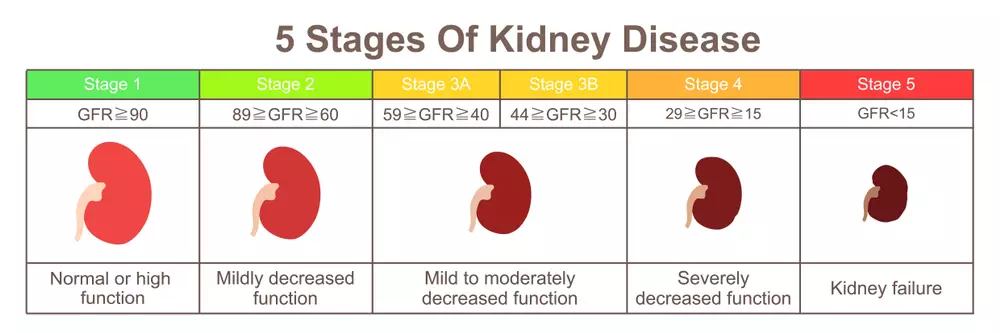
Stage 3a Chronic Kidney Disease
What Is Stage 3a Chronic Kidney Disease? A Complete Guide Stage 3a chronic kidney disease (CKD) means your kidneys have a mild-to-moderate loss of function. It is defined by an estimated glomerular filtration rate (eGFR) between 45 and 59 mL/min/1.73m², lasting three…

Lulutox Detox Tea Australia: Benefits & Side Effects – Woolworths
Lulutox Detox Tea : Detox teas have been floating around the wellness world for years now. Scroll through social media and you’ll see promises of flatter stomachs, quick weight loss, “cleansing toxins,” and boosting metabolism.Lulutox Detox Tea is one of the brands…